

服务热线

机箱机柜如何在电子安装中形成有效的防护?
发布时间:2026-09-10 来源:http://www.tongyuhengcheng.com/ 浏览量:
在工业自动化和信息化深度结合的今天,机箱机柜的角色正在被重新定义。它不再只是简单的金属盒子,而是保障设备稳定运行、延长使用寿命的核心基础设施。
In today's era of deep integration of industrial automation and informatization, the role of chassis and cabinets is being redefined. It is no longer just a simple metal box, but a core infrastructure that ensures stable operation of equipment and extends its service life.
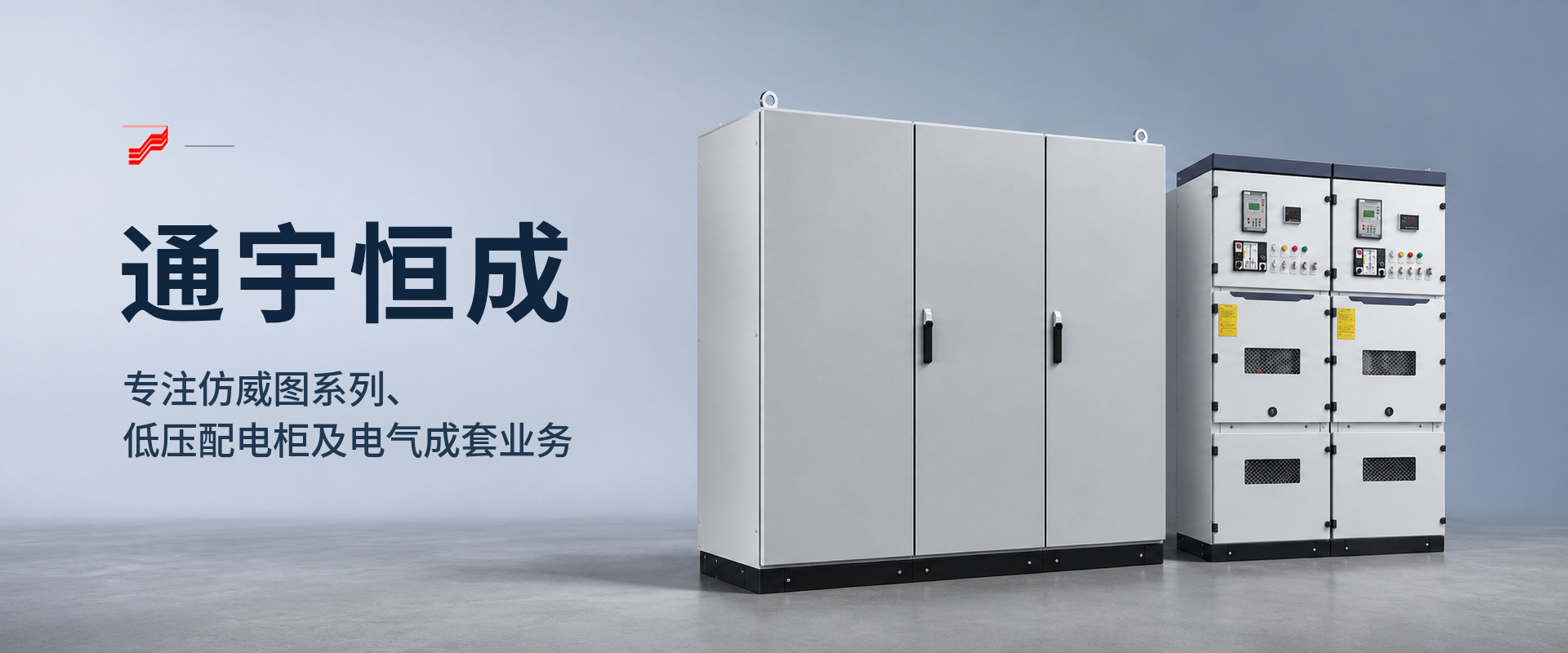
机箱机柜的本质功能是为电子设备提供物理防护和安装空间。但这个定义远不足以概括它的价值。在工厂车间,工控机柜需要抵御粉尘、油污和电磁干扰;在数据中心,服务器机柜要解决高密度散热和线缆管理难题;在户外基站,通信机柜建议承受风吹日晒和出彩端温差。不同场景对机柜的要求截然不同,这正是机柜产品多元化的根本原因。

The essential function of a chassis cabinet is to provide physical protection and installation space for electronic devices. But this definition is far from sufficient to summarize its value. In the factory workshop, industrial control cabinets need to resist dust, oil pollution, and electromagnetic interference; In data centers, server cabinets need to address high-density heat dissipation and cable management challenges; At outdoor base stations, communication cabinets must withstand wind, sun, and extreme temperature differences. The requirements for cabinets vary greatly in different scenarios, which is the fundamental reason for the diversification of cabinet products.
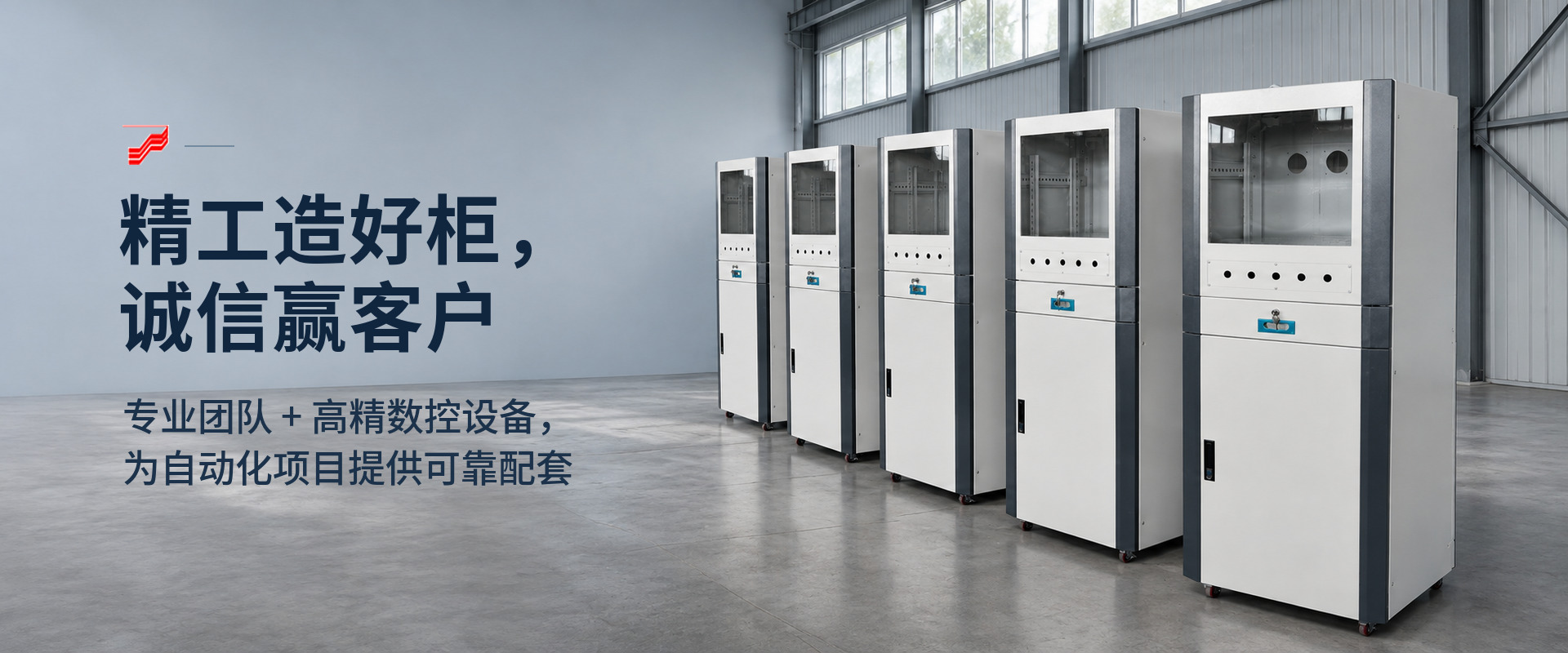
从结构上看,机柜按承重和制造工艺可分为型材结构和薄板结构两大类。型材结构机柜采用钢型材或铝型材作为立柱,刚度和强度更好,适用于承载较重的设备;薄板结构机柜则以冷轧钢板折弯焊接成型,重量轻、成本低,适合一般工业场景。选择哪种结构,取决于设备重量、使用环境和预算约束。
Structurally, cabinets can be divided into two categories based on load-bearing capacity and manufacturing processes: profile structures and thin plate structures. The profile structure cabinet adopts steel or aluminum profiles as columns, which have better rigidity and strength, and are suitable for carrying heavy equipment; Thin plate structure cabinets are formed by bending and welding cold-rolled steel plates, which are lightweight, low-cost, and suitable for general industrial scenarios. The choice of structure depends on equipment weight, usage environment, and budget constraints.
值得关注的是,机箱机柜的智能化升级正在加速。嵌入物联网传感器后,机柜可以实现温湿度远程监控、门禁管理和预测性维护。这意味着,机柜从“被动防护”进化为“主动管理”,运维人员无需亲临现场即可掌握设备运行状态。对于分布式的工业现场而言,这种智能化能力显著降低了运维成本。
It is worth noting that the intelligent upgrade of chassis and cabinets is accelerating. After embedding IoT sensors, the cabinet can achieve remote monitoring of temperature and humidity, access control management, and predictive maintenance. This means that the cabinet has evolved from "passive protection" to "active management", and operation and maintenance personnel can grasp the equipment operation status without physically visiting the site. For distributed industrial sites, this intelligent capability significantly reduces operational costs.
选型时,工程师需要关注几个核心指标:负载能力要预留升级空间,散热方案要与设备发热量匹配,防护等级要符合使用环境要求。只有将这些因素综合考量,机柜才能真正成为设备的可靠“家园”。
When selecting, engineers need to pay attention to several core indicators: the load capacity should reserve upgrade space, the heat dissipation scheme should match the device's heat generation, and the protection level should meet the requirements of the usage environment. Only by considering these factors comprehensively can the cabinet truly become a reliable "home" for equipment.
本文由济南机箱机柜友情奉献.更多有关的知识请点击:http://www.tongyuhengcheng.com真诚的态度.为您提供为多维度的服务.更多有关的知识我们将会陆续向大家奉献.敬请期待.
This article is a friendly contribution from Jinan Chassis Cabinet For more information, please click: http://www.tongyuhengcheng.com Sincere attitude To provide you with comprehensive services We will gradually contribute more relevant knowledge to everyone Coming soon.
热门产品 / HOT PRODUCT
新闻推荐 / NEWS RECOMMENDATIONS

 TEL:0531-69922480 18866409905
 EMAIL:jntyhc@163.com
 公司地址:济南市槐荫区经十西路3788号
 备案号:鲁ICP备09028695号-3
鲁公网安备37010402441282号


 首页
 产品
 电话
 置顶